
The most bizarre debt collection rules in history (and today)
In the world of debt collection, a professional solution like incasso.nl is all about unpaid invoices. While everything is neatly regulated today via the Wki (Quality of Debt Collection Services Act), people were once much less concerned with ethics and respectful collection. The history of debt recovery is full of rules that are so absurd, they are almost unbelievable. Today, we take a short world tour of the most remarkable debt collection laws ever devised.
Pay up or be cut into pieces
We begin with an absolute classic: the Twelve Tables of Roman law. These contain the first known laws regarding debts and how to handle them. Anyone who hadn't paid a debt after thirty days could be sent to prison. If things went really wrong after that, the penalty was death or sale as a slave on the other side of the Tiber River.
But it could get worse. Did a debtor have multiple creditors? They were allowed to divide the body of the defaulter among themselves. Literally. A payment delay could end with several parties each claiming a physical part. For the bookkeepers among us: this is likely the most literal form of "splitting the debt" that has ever existed.
The Romans eventually abolished this extreme debt slavery in 326 BC via the Lex Poetelia Papiria. This followed a massive public scandal involving a creditor who behaved shamefully toward a young debt-slave. They didn't have a low threshold for indignation back then, but it at least led to better legislation.
To prison for 60 cents
From quartering in Roman times, we jump a few centuries ahead to the notorious debtors' prisons. From the end of the seventeenth to the beginning of the nineteenth century, people were imprisoned in London’s "The Clink" and later in the New Gaol in Manhattan for debts that were sometimes as little as a pittance. In the United States, citizens sometimes ended up in jail for outstanding amounts of barely 60 US cents.
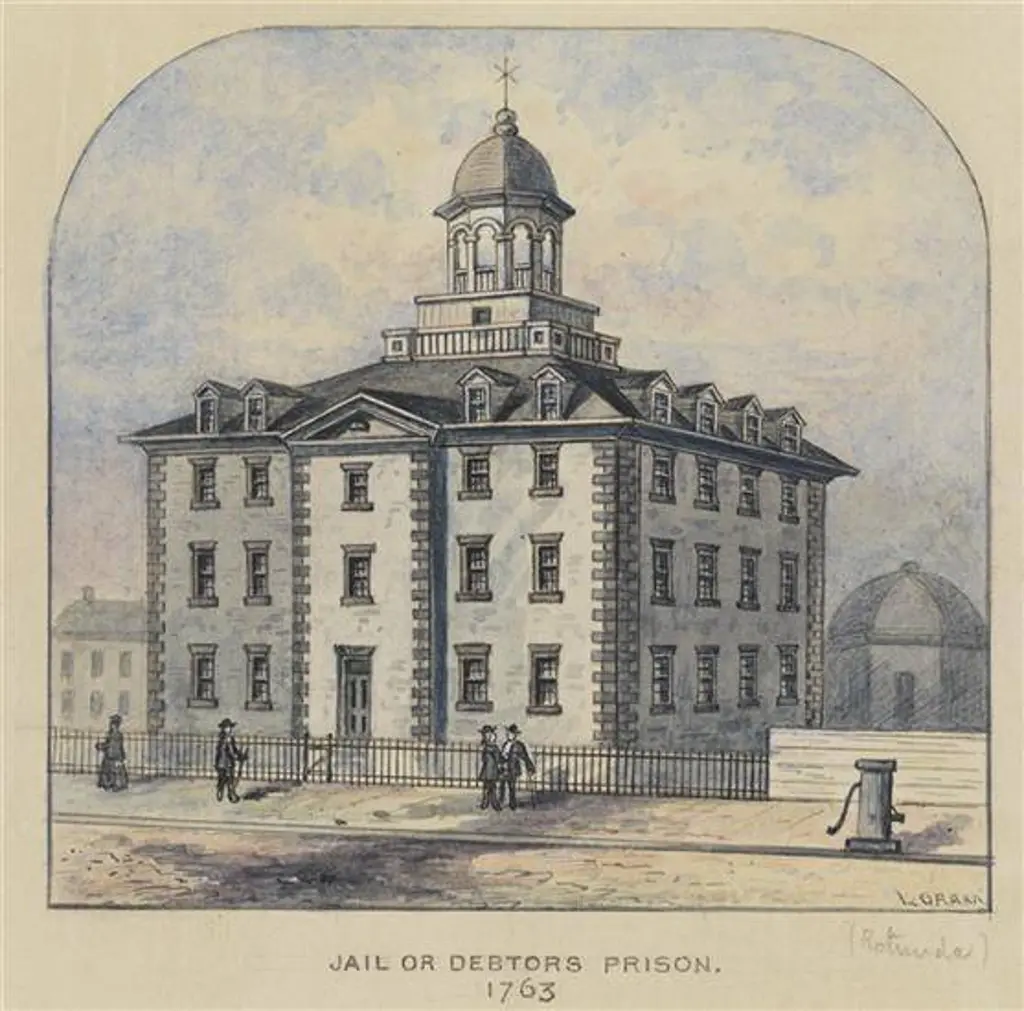
New Gaol in New York, also known as 'Debtors Prison' (Source: CultureNow.org)
The logic behind this system was remarkable: the debtor couldn't pay, so he was put in prison. In this place, it was impossible to earn money to pay off that same debt. In short, an early form of the "we solve the problem by making it unsolvable" model.
Even prominent figures did not escape imprisonment. Robert Morris, a co-signer of the American Declaration of Independence and financier of the revolutionary army using millions of his own money, was imprisoned from 1798 to 1801 due to failed land speculations. Thomas Jefferson, the later president, died with a debt of over 100,000 dollars—a gigantic fortune at the time—but he managed to avoid this fate during his lifetime thanks to his political status.
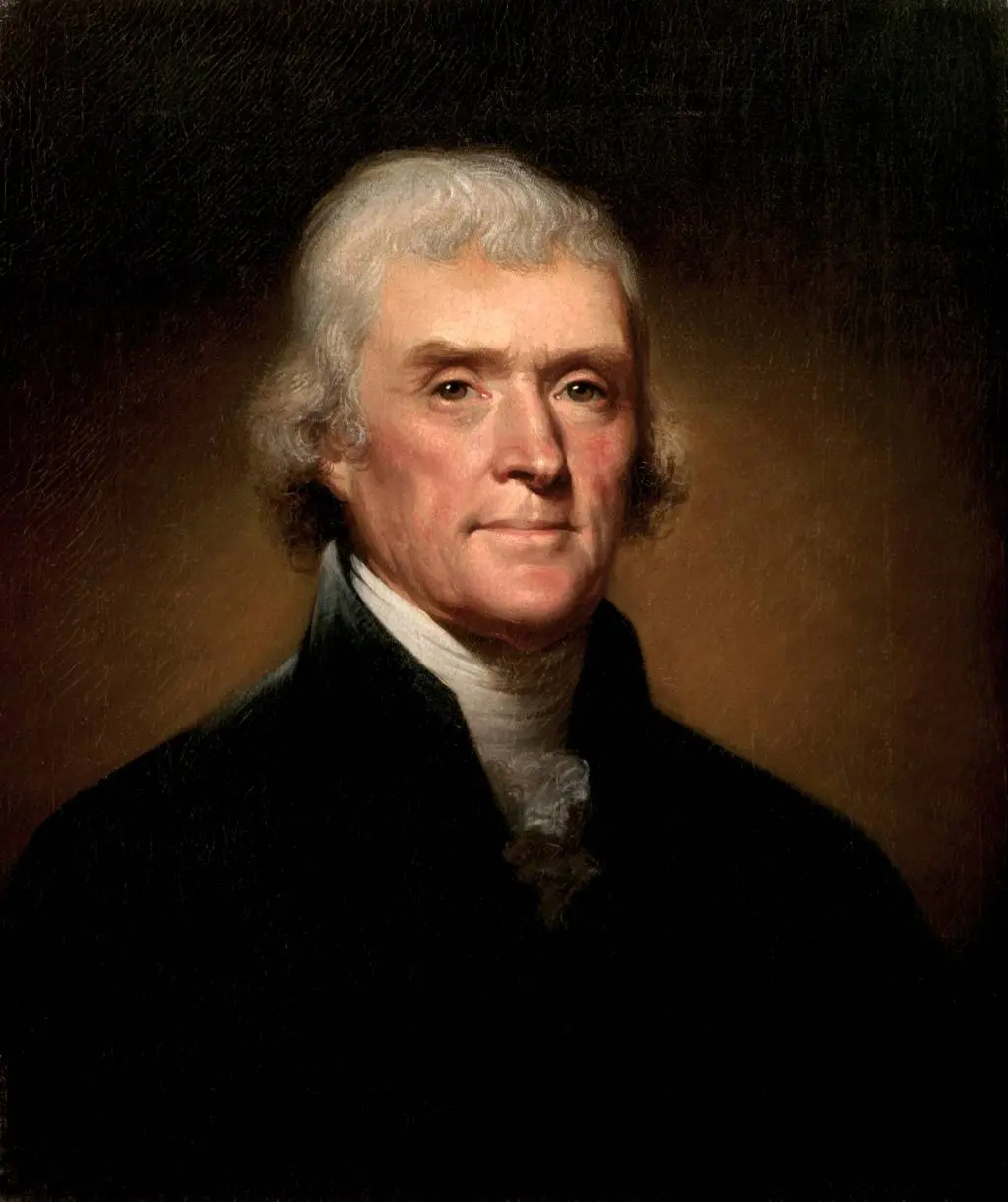
President Thomas Jefferson also had to deal with debts
Hiding in a Scottish park
In Scotland, a specific rule applied until well into the nineteenth century that was used by many people in debt. Anyone within the boundaries of Holyrood Park in Edinburgh was fully exempt from arrest for debt. The entire royal park served as an official sanctuary.

Holyrood Park in Edinburgh
The result? Countless Scottish debtors, affectionately called "Abbey Lairds," settled within the park boundaries. Thus, they lived safely out of reach of bailiffs. It was a kind of permanent vacation with a view, financed by the very debts they were running from. They had to stay within the park or wait until Sunday. On Sundays, bailiffs were not allowed to arrest anyone, so debtors would flock into the city for family visits, only to quickly run back over the park boundary before midnight.
Working off debt by the hour
A rule that still exists today and is actually quite charming can be found in Canada. The country has the so-called Fine Option Program. Those who are fined for a criminal offense but absolutely have no money to pay it do not have to go straight to jail.
Instead, the outstanding debt can be converted into community service via a strict formula: the outstanding amount is divided by the local minimum wage to determine the exact number of working hours. Debt thus literally becomes a math problem in hours. A sort of reverse time-tracking system that no entrepreneur or freelancer would be happy about, but it keeps the prisons empty, at least.
The telephone as a traitor
Anyone thinking that bizarre measures belong only in the past should look at modern China. Several courts there collaborate with telecom providers to tackle defaulters with a unique ringtone.
Does someone call a person who is on the court's official blacklist? There is no normal waiting tone; instead, an audio track starts with police sirens and a stern voice: "The person you are trying to reach has been marked by the court as untrustworthy due to outstanding debts. Please urge this person to fulfill their obligations."

Everyone will hear this during incoming calls...
The idea is to spur debtors into action through social pressure and public shaming. Effective? Undoubtedly. Ethically sound? Perhaps slightly less so...
What we can learn from this
It is tempting to laugh at dismembered bodies, running Scots, and treacherous phone recordings from a safe distance. But there is a serious core: throughout history, debt was often treated as a moral crime deserving of severe punishment, rather than a business or financial problem that requires a constructive solution.
Only with the arrival of modern bankruptcy laws and professional credit management guidelines did the perspective shift from punishing to solving. And that is exactly the core of modern debt collection: the goal is not to humiliate someone or back them into a corner, but to ensure that an outstanding invoice is paid in a way that works for both parties.
No medieval practices, no Holyrood Park, and no phone sirens. Just a clear, polite reminder, a workable payment arrangement, and respect for the person on the other side of the table. After 2,500 years of experimenting, that really turns out to be the best approach for a healthy cash flow.


